
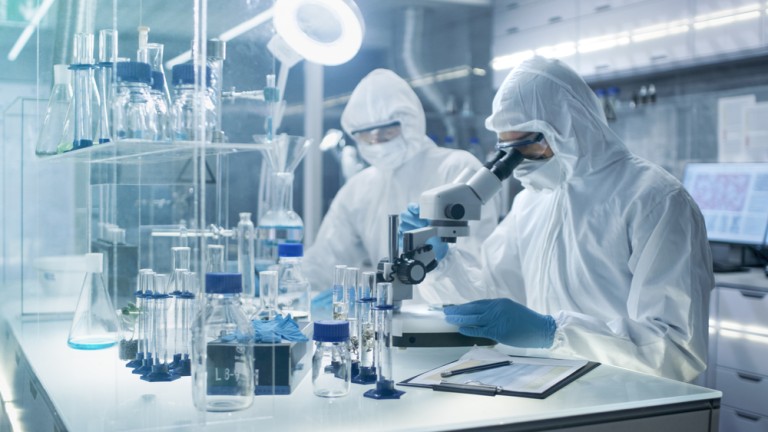
Laboratory work can involve chemical, biological, physical, and process hazards. Effective safety programs combine appropriate equipment with hazard assessments, engineering controls, written procedures, and trained personnel. Without these controls, laboratories face risks including:
- Producing unsafe products for end users
- Endangering lab and facility personnel
- Violating health and safety regulations and statutes
- Losing certifications
- Damaging the reputation of the facility and company
- Causing fires, chemical spills, biological exposures, and other hazards
- Delaying operations and harming research outcomes
The right safeguards depend on the materials, procedures, and credible exposure scenarios in each laboratory. No single equipment list is appropriate for every lab, but several categories commonly form the foundation of an effective safety program.
Regulatory Requirements and Standards
Applicable requirements depend on the laboratory's hazards, activities, and jurisdiction. OSHA standards address controls such as emergency flushing facilities for potential exposure to injurious corrosive materials, personal protective equipment, chemical hygiene and flammable-liquid storage. Fire and building codes, consensus standards, institutional policies, and industry-specific requirements may add further criteria. The facility should identify and document the requirements that apply rather than assume one universal laboratory equipment standard.
Types of Safety Equipment in a Lab
Laboratory safety equipment serves different functions: preventing exposure, containing hazards, supporting emergency response, and protecting materials or processes. Common examples include:
- Personal protective equipment (PPE): PPE provides a final barrier when hazards cannot be fully controlled through elimination, substitution, engineering controls or work practices. Selection should follow a documented hazard assessment and may include safety glasses or goggles, face protection, compatible gloves, lab coats or protective clothing, and respiratory protection where a compliant respiratory-protection program determines it is necessary. Cleanroom garments may also protect products and processes, but they should not be assumed to provide chemical or biological protection unless designed and selected for that purpose.
- Emergency eyewashes and safety showers: Where personnel may be exposed to injurious corrosive materials, OSHA requires suitable facilities for immediate flushing or drenching within the work area. The appropriate equipment may include an eyewash, eye/face wash, safety shower, or combination unit based on the exposure risk. Units must remain unobstructed, identifiable, and ready for use, with placement, water delivery, temperature and maintenance addressed by the applicable requirements and facility program.
- Chemical fume hoods: A fume hood captures and removes chemical vapors, gases, and aerosols from the user's breathing zone. Most laboratory fume hoods exhaust to the outdoors through a dedicated or building exhaust system. Filtered or recirculating hoods require a hazard-specific evaluation because filter capacity, chemical compatibility, breakthrough, and monitoring limitations can make them unsuitable for some materials or processes. Safe performance also depends on correct sash position, work practices, airflow monitoring, and periodic testing.
- Biological safety cabinets (BSCs): A properly selected and certified BSC uses directional airflow and HEPA filtration to provide personnel and environmental protection when work may generate infectious aerosols or droplets; Class II BSCs also provide product protection. A BSC is not interchangeable with a chemical fume hood, and volatile or toxic chemicals should be used in one only when the cabinet type, exhaust connection, and risk assessment support that use.
- Safety storage and emergency equipment: Approved cabinets may be required for flammable liquids, corrosives, compressed-gas cylinders or other incompatible materials; the correct cabinet depends on the hazard and should not be selected merely for cleanability. Laboratories may also need fire extinguishers, spill-control materials, first-aid supplies, alarms, and other emergency equipment based on the risk assessment and emergency plan. Supplies must be compatible with the anticipated hazard and accessible to trained personnel.
Emergency Response Tool Placement
Emergency equipment must be located so it can be reached and used under the conditions created by a credible incident. OSHA requires emergency flushing facilities for corrosive exposures to be within the work area and available for immediate use. Access routes should remain unobstructed, and signs, lighting, and placement should account for impaired vision, panic, and protective clothing. Fire extinguishers, spill supplies, shutoffs, and alarms should be positioned and identified according to the applicable code, emergency plan, and hazard assessment.
Safety Equipment Maintenance, Inspection, and Training Routines
Safety equipment should be inspected, tested, and maintained at frequencies established by the applicable regulation or consensus standard, manufacturer instructions, risk assessment, and facility procedure. Examples may include routine activation of plumbed eyewashes, required fire-extinguisher inspections, and maintenance, fume hood testing, and BSC certification. PPE and spill supplies should be checked for damage, compatibility, service life, and availability. Training should cover normal use, limitations, alarm response, and emergency actions, with competency reassessed when hazards, equipment or procedures change.
Technical Safety Services supports laboratory safety and performance programs through laboratory equipment services, chemical fume hood performance testing, biological safety cabinet certification, and equipment calibration. These services provide objective evidence that critical engineering controls and measurement equipment continue to perform as intended. To discuss the appropriate testing scope for your facility, contact us today.
